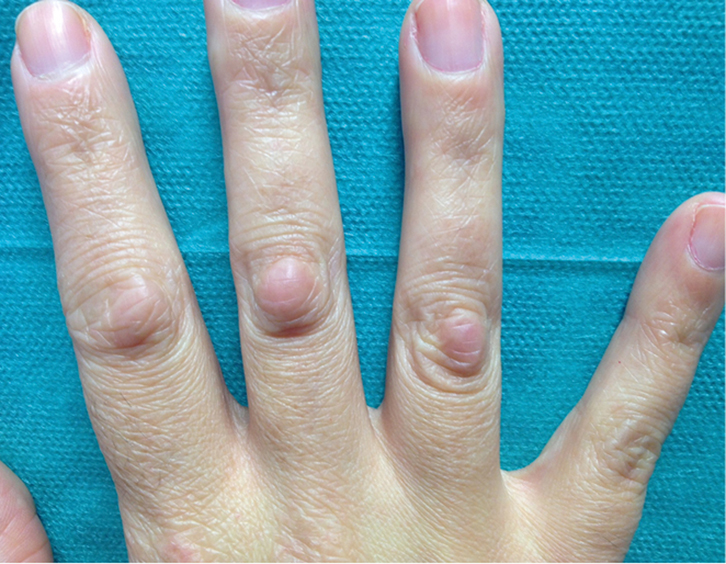
Your What are the functions of the skin images are available. What are the functions of the skin are a topic that is being searched for and liked by netizens today. You can Find and Download the What are the functions of the skin files here. Find and Download all free photos.
If you’re looking for what are the functions of the skin pictures information linked to the what are the functions of the skin interest, you have visit the right blog. Our site always provides you with hints for refferencing the maximum quality video and picture content, please kindly search and locate more enlightening video content and images that match your interests.
What Are The Functions Of The Skin. The first function of the skin is give protection to the body tissues. The skin protects the tissues of the body from mechanical damage and from bacteria. Below are the five major functions of the skin. The skin provides protection from.
 Epidermis Definition Anatomy And Function Skin Anatomy Epidermis Anatomy From pinterest.com
Providing water resistance by preventing nutrients from being washed from the skin. The skin is the bodys largest organ. This finely tuned balance between protection from harmful pathogens mostly microorganisms and bidirectional signal exchange is provided. What are the structure of the skin. Prevents loss of moisture. It also helps regulate body temperature and gathers sensory information from the surrounding environment.
The skins primary function is to act as a barrier against disease-causing pathogens and hostile environments.
Immune functions of the skin Clin Dermatol. The Malpighian layer produces the skins pigmentation and protects it against the harmful effects of ultraviolet radiation. Controlling water loss by preventing water from escaping by evaporation. The skin has six primary functions that help maintain its homeostasis. One of the most critical functions of the skin is to act as a protective shield between the external world and the body. The first function of the skin is give protection to the body tissues.
 Source: pinterest.com
Protection against ultraviolet rays. This means it can be the warning sign of some diseases or dysfunctions. The skin the bodys largest organ helps to secure the integrity of the host and at the same time allows the individual to communicate with the outside world. The skin is made up of many specialized cells and structures that are ever-changing. Regulating the temperature and water loss through sweat Producing vitamin D from exposure to sunlight.
 Source: pinterest.com
Skin acts as the first physical barrier to withstand any pressure stress or trauma. Controlling water loss by preventing water from escaping by evaporation. Protection regulation and sensation. The skin is an organ of protection. The skin has three main functions.
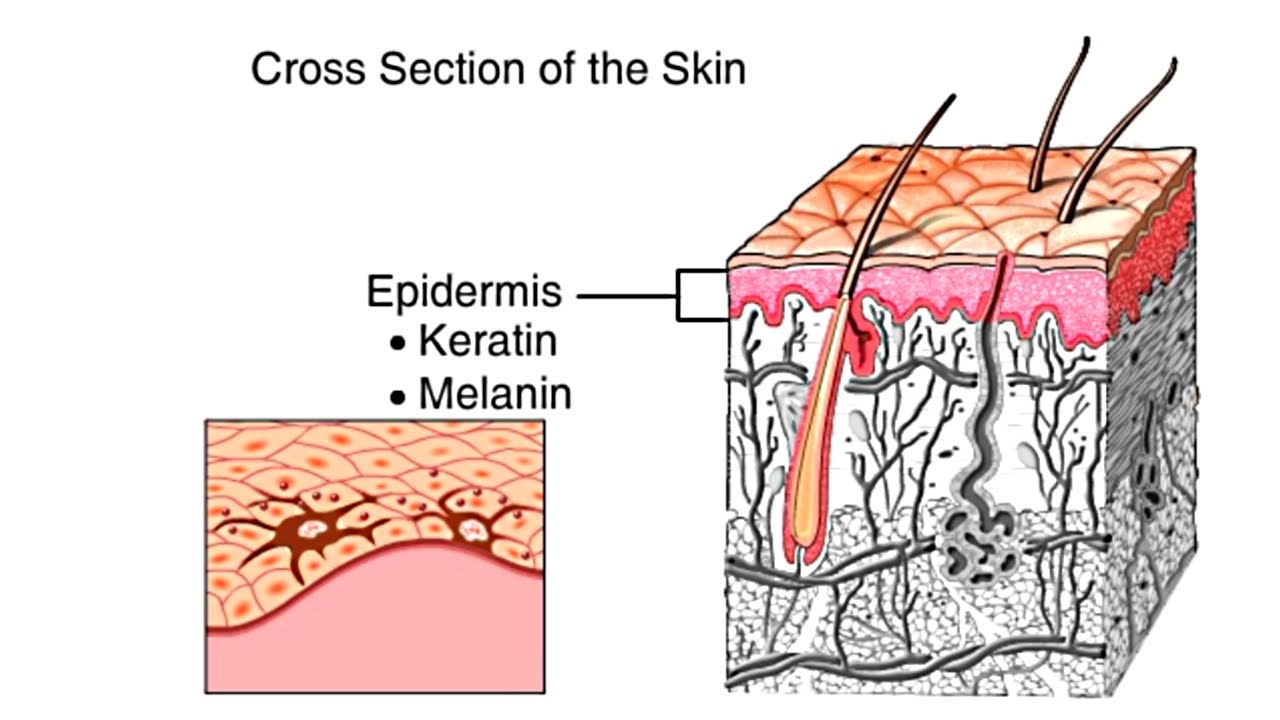 Source: pinterest.com
It can also reveal diseases or dysfunctions of other organs. Protection The skin functions as our first line of defense against toxins radiation and harmful pollutants. Therefore when lipids are decreased the shielding function is enervated. It serves many important functions including Protecting the body against trauma Regulating body temperature Maintaining water and electrolyte balance Sensing painful and pleasant stimuli Participating in vitamin D synthesis. Reduces harmful effects of.
 Source: pinterest.com
Decreases water loss with diffusion 4. Wounding affects all the functions of the skin. Protects the body. The primary function of the skin is to act as a barrier. Protection The skin functions as our first line of defense against toxins radiation and harmful pollutants.
 Source: pinterest.com
It also helps regulate body temperature and gathers sensory information from the surrounding environment. Prevents loss of moisture. At a basic level we would turn into a mummy under arid conditions without a barrier function. Protection The skin functions as our first line of defense against toxins radiation and harmful pollutants. The skin does a fantastic job of controlling body temperature and keeping it stable.
 Source: pinterest.com
The skin is an organ of protection. The pigment melanin is produced in special cells called melanocytes which are found at the base of the epidermis. Therefore when lipids are decreased the shielding function is enervated. The skin is an organ of protection. The skin is an organ of regulation.
 Source: pinterest.com
The skin has three main functions. Reduces harmful effects of. But why do we have skin. The skin provides protection from. Read on to find out all the cool things our skin does for us The skin has six main jobs to do on a day-to-day basis.
 Source: in.pinterest.com
The primary function of the skin is to act as a barrier. Controlling water loss by preventing water from escaping by evaporation. This finely tuned balance between protection from harmful pathogens mostly microorganisms and bidirectional signal exchange is provided. The Malpighian layer produces the skins pigmentation and protects it against the harmful effects of ultraviolet radiation. Read on to find out all the cool things our skin does for us The skin has six main jobs to do on a day-to-day basis.
 Source: pinterest.com
Functions of the skin. The skin is an organ of protection. The skin provides protection from. The skins functions are. Read on to find out all the cool things our skin does for us The skin has six main jobs to do on a day-to-day basis.
Source: pinterest.com
Skin is the largest and heaviest organ in the human body. The pigment melanin is produced in special cells called melanocytes which are found at the base of the epidermis. The skins primary function is to act as a barrier against disease-causing pathogens and hostile environments. The skin performs six primary functions which include protection absorption excretion secretion regulation and sensation. The Malpighian layer produces the skins pigmentation and protects it against the harmful effects of ultraviolet radiation.
 Source: pinterest.com
The skin has three main functions. Decreases water loss with diffusion 4. The skin protects the body from harmful ultraviolet UV rays. Why is skin important to the body. The skin performs six primary functions which include protection absorption excretion secretion regulation and sensation.
 Source: pinterest.com
Functions of the skin. Wounding affects all the functions of the skin. In that context your skin serves a vital function as part of your IMMUNE system. It can also reveal diseases or dysfunctions of other organs. The skin acts as a protective barrier from.
 Source: pinterest.com
In that context your skin serves a vital function as part of your IMMUNE system. Provides a protective barrier against mechanical thermal and physical injury and hazardous substances. The skin consists of layers each containing important elements that serve to protect the body against harm. The skin provides protection from. Protection regulation and sensation.
 Source: pinterest.com
And there is an increase in dehydration loss of elasticity and the skin becomes susceptible and the result is wrinkles on face. Serving as the first site of immunological defense. It serves many important functions including Protecting the body against trauma Regulating body temperature Maintaining water and electrolyte balance Sensing painful and pleasant stimuli Participating in vitamin D synthesis. Not all body skin has the same thickness. Wounding affects all the functions of the skin.
 Source: pinterest.com
It can also reveal diseases or dysfunctions of other organs. Five functions of the skin STUDY Flashcards Learn Write Spell Test PLAY Match Gravity Created by ADALBERTO_DELGADO Terms in this set 5 Protection It helps prevent the body to dry out. The first function of the skin is give protection to the body tissues. The skin protects the body from harmful ultraviolet UV rays. Protection regulation and sensation.
 Source: pinterest.com
Reduces harmful effects of. The skin does a fantastic job of controlling body temperature and keeping it stable. Even small defects in the barrier function appear on the skin as rashes dryness or other visible symptoms. Immune functions of the skin Clin Dermatol. Wounding affects all the functions of the skin.
 Source: pinterest.com
Through sweating and changes in blood flow depending on the. This means it can be the warning sign of some diseases or dysfunctions. Mechanical impacts and pressure variations in temperature micro-organisms radiation and chemicals. Creating sensation through nerve endings that detect temperature pressure vibration touch and injury. The pigment melanin is produced in special cells called melanocytes which are found at the base of the epidermis.
 Source: pinterest.com
Regulating the temperature and water loss through sweat Producing vitamin D from exposure to sunlight. Protection regulation and sensation. It serves many important functions including Protecting the body against trauma Regulating body temperature Maintaining water and electrolyte balance Sensing painful and pleasant stimuli Participating in vitamin D synthesis. Why is skin important to the body. Immune functions of the skin Clin Dermatol.
This site is an open community for users to do sharing their favorite wallpapers on the internet, all images or pictures in this website are for personal wallpaper use only, it is stricly prohibited to use this wallpaper for commercial purposes, if you are the author and find this image is shared without your permission, please kindly raise a DMCA report to Us.
If you find this site convienient, please support us by sharing this posts to your favorite social media accounts like Facebook, Instagram and so on or you can also save this blog page with the title what are the functions of the skin by using Ctrl + D for devices a laptop with a Windows operating system or Command + D for laptops with an Apple operating system. If you use a smartphone, you can also use the drawer menu of the browser you are using. Whether it’s a Windows, Mac, iOS or Android operating system, you will still be able to bookmark this website.